
Of these three we are proudest. The craft comes from people who have worked with wood for forty years. The technology we developed ourselves — and it is what allows us to make your stories.
Collection · 01
View the collection →
Creadoor's own laser-engraving technology — a drawing that does not lie on the surface of a material but becomes part of it. Available for doors, panelling and wall systems.
Of these three we are proudest. The craft comes from people who have worked with wood for forty years. The technology we developed ourselves — and it is what allows us to make your stories.
The drawing does not lie on the surface — it comes into being within it. Four stages decide the result; the laser's working parameters we keep to ourselves.
The pattern — ours or drawn together with the client — is scaled to the leaf or panel and set against the grain of the chosen veneer or the colour of the lacquer.
The leaf or panel goes into production in the chosen construction and base finish — it is on this finished, sanded plane that the laser later works.
The pattern is burned into the material with the precision of a technical drawing — depth and contrast are set so that the drawing is read by light, not by relief.
The surface is lacquered and checked for evenness of mark and colour — graphic and ground become one continuous surface before installation.
A coating can wear through, lift or fade in the sun. A laser-burned mark has no coating to separate from what lies beneath — graphic and material age together, at the same pace, under the same patina.
The same process, two wholly different characters — the choice depends on how much the timber should say, and how much the graphic.
The laser's mark crosses the natural grain — the drawing is quiet, dependent on the angle of the light, and changes with every figure in the veneer. Organic, never twice the same.
On a uniform lacquered surface the engraving gives a clear, graphic contrast — a matt mark on matt or on gloss. The choice for interiors where the graphic is meant to read as an accent.
The engraving technology concerns the surface. What decides how a door behaves after five years, and after twenty, lies deeper — in the construction of the leaf.
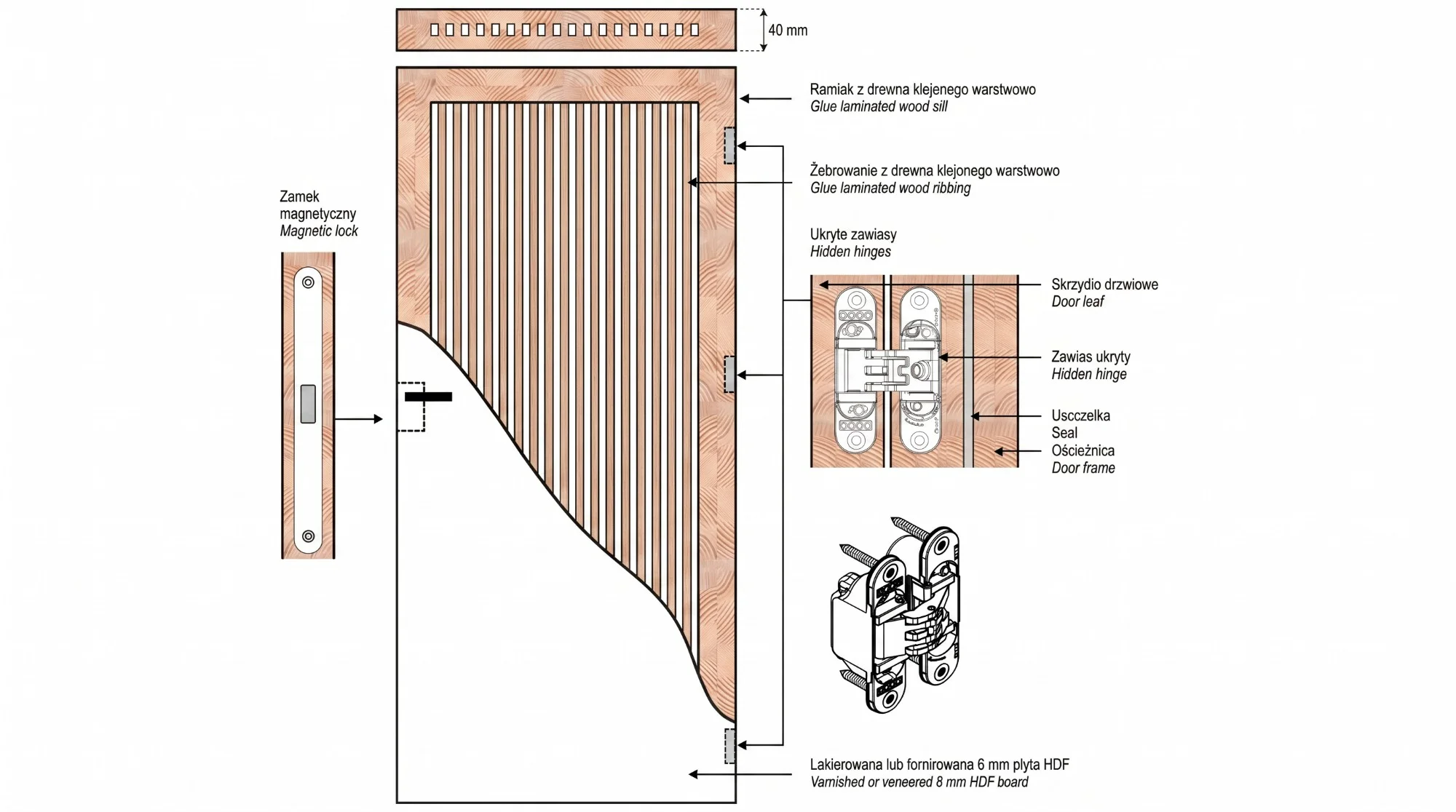
Every leaf is built here, in the traditional way: stile, rail and ribbing in laminated timber, closed on both faces with HDF beneath veneer or lacquer. The frame is made by the same method, from the same material. Timber construction is our mark of endurance — and the reason we never reach for ready-made door blanks or honeycomb infill.
Laminated timber moves more calmly than solid — the leaf stays true despite differences in humidity between rooms. It is the more costly way, and the slower one. We work so because a door is opened many thousands of times, and the quality of its construction decides whether, years later, it still closes evenly and without effort.
This is what the technology looks like once it becomes a product.
It turns an ordinary door into an element that holds the eye — a graphic burned into the plane of the leaf gives it character and leads the gaze through the interior.
Here it is not an image but a form. The laser gives way to three-dimensional elements that carry the door beyond its standard function and give it the presence of an elegant, refined sculpture — one that sets the character of the whole interior.
Once the limits of a single leaf are set aside, the whole wall remains — and a graphic with which any story can be told.
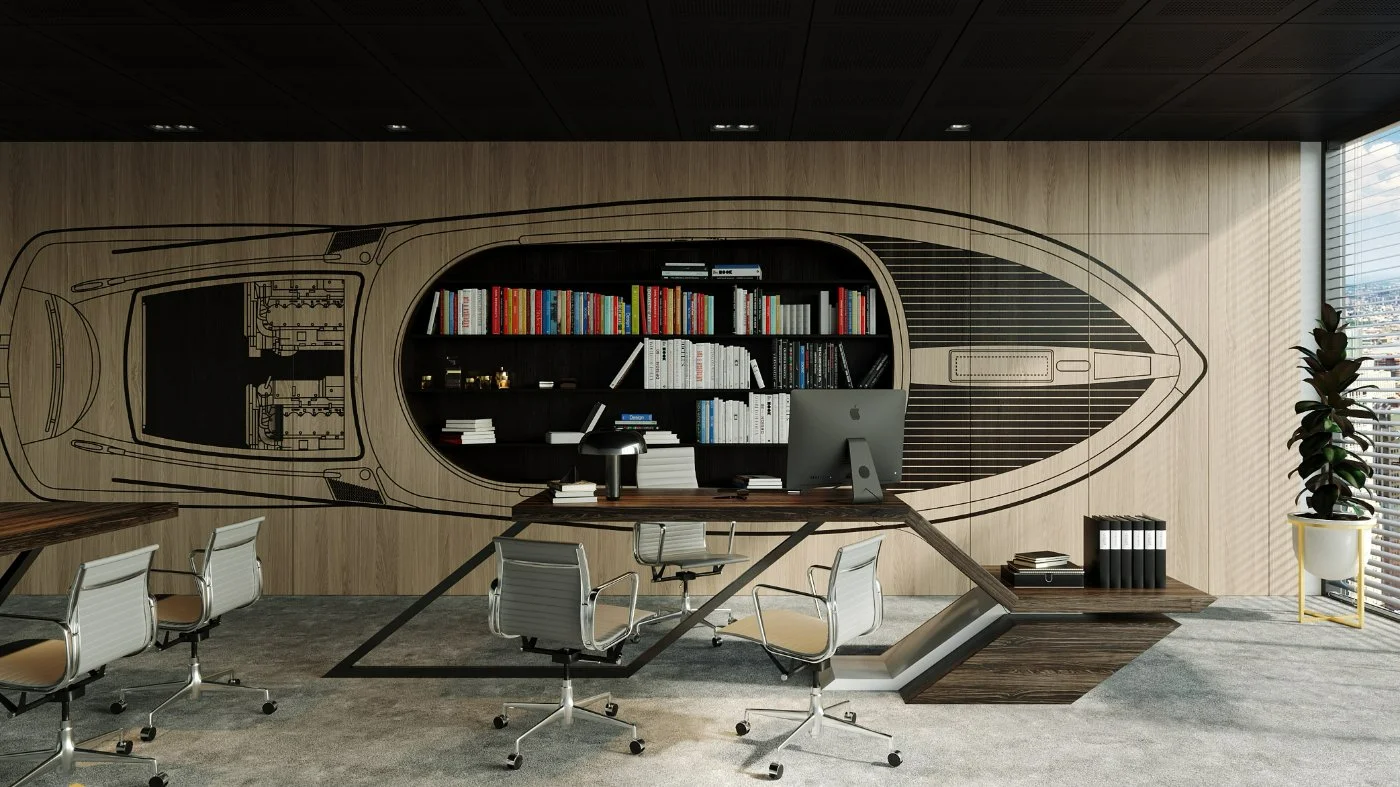
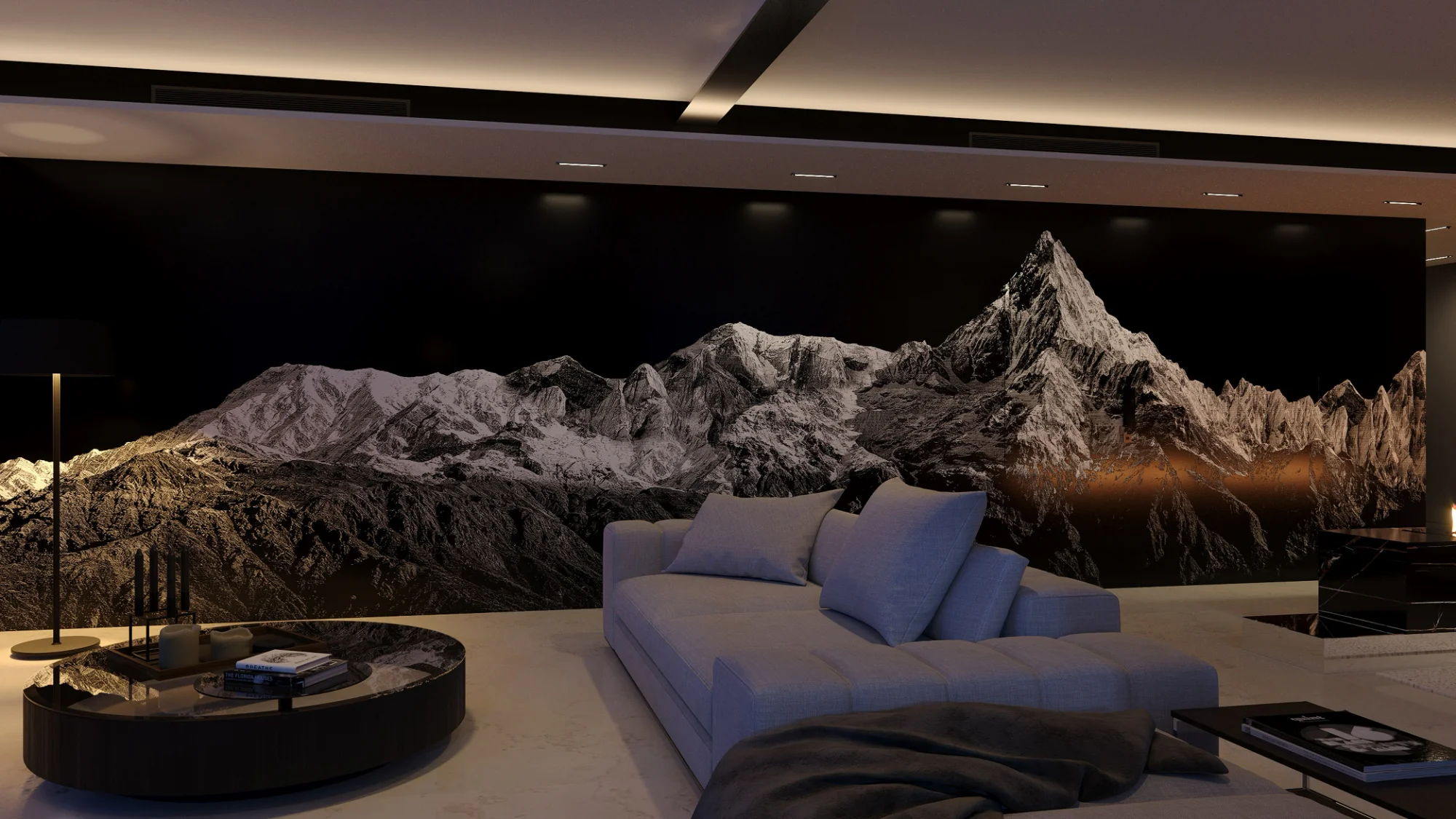
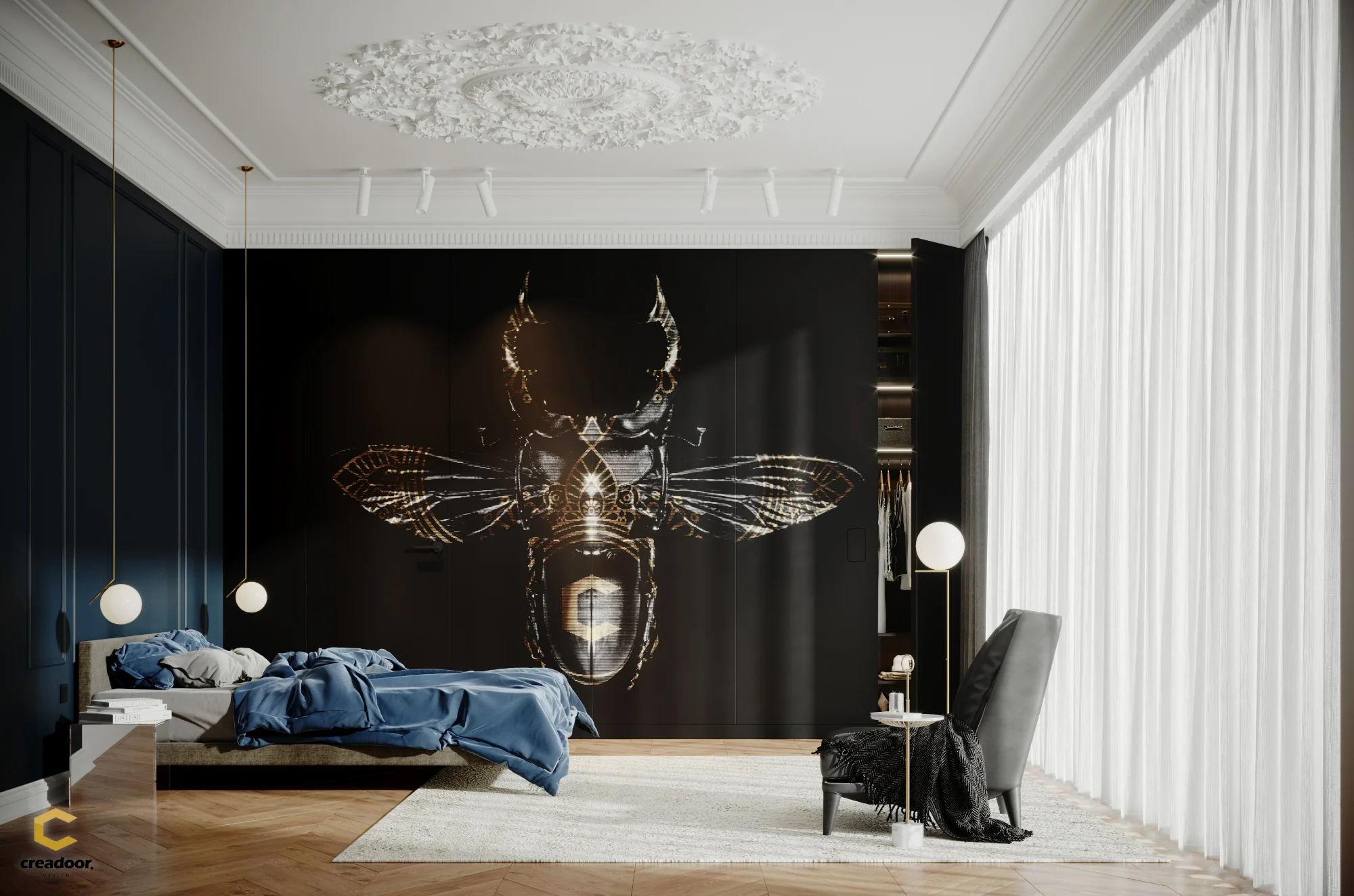
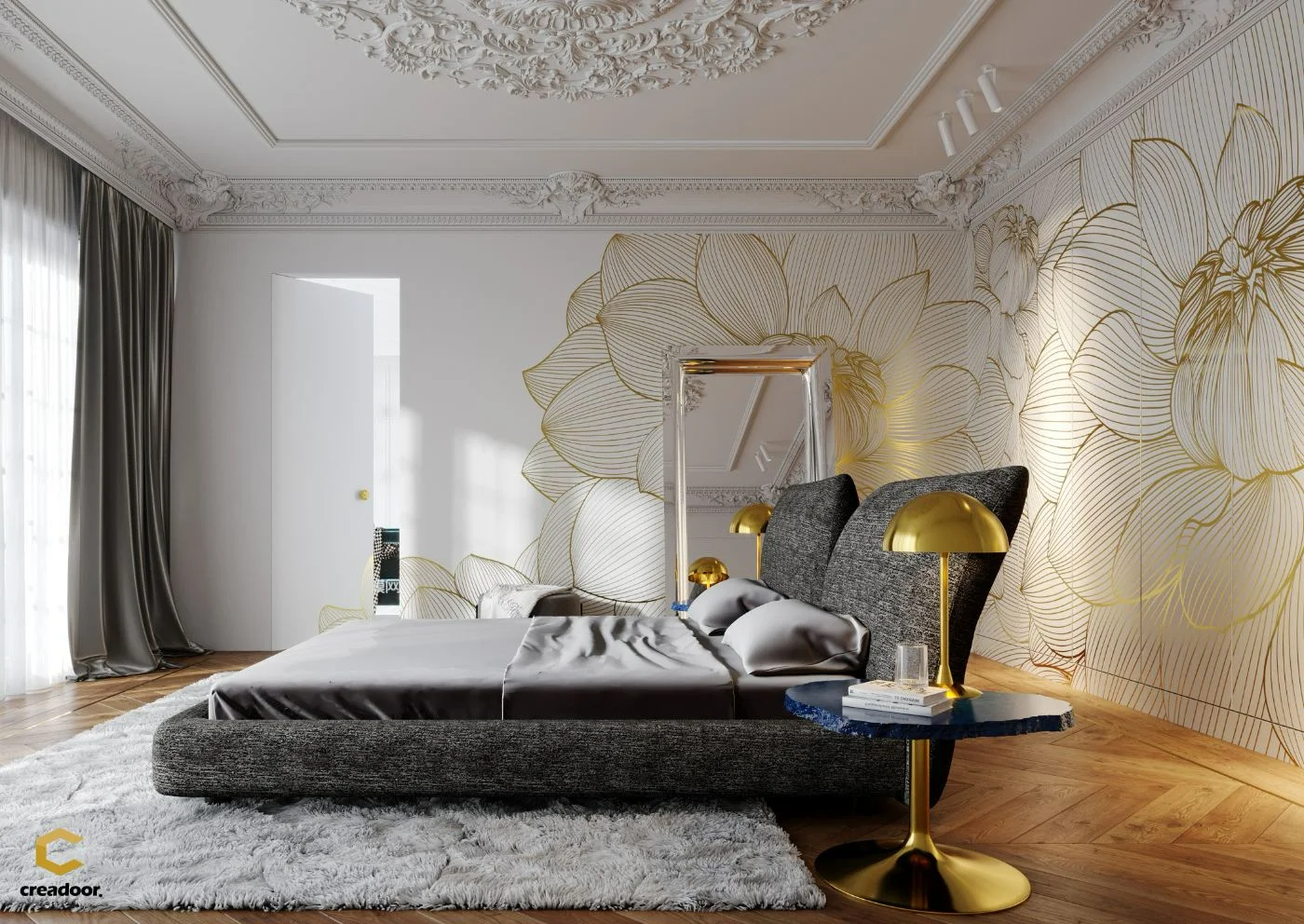
A separate offer for exceptional guests — singular commissions in which an entire wall becomes one composition, drawn for one interior and one person.
View Signature Walls →A print or foil is a layer laid on the material — in time it can wear, lift or fade. Our pattern is burned directly into the structure of the timber, veneer or lacquer, so it becomes part of the material rather than its coating. It lasts as long as the material itself.
We engrave on natural veneer and on the lacquered surface of the leaf. The material governs the legibility and depth of the pattern — on veneer the drawing plays with the grain; on lacquer it gives a more contrasted, graphic effect.
Yes — it is available for rebateless doors, concealed-frame doors, panelling and wall systems. Composition, scale and depth are drawn individually for the interior at hand.
No. The pattern is part of the material's structure, not a sticker or a coating — it is cared for exactly as the rest of the joinery: no aggressive chemicals, gentle dry or slightly damp cleaning.
We take on a limited number of commissions each year. Each receives our full attention — from the first drawing to the final sanding.